Health and Safety Policy for Commercial Waste Penge
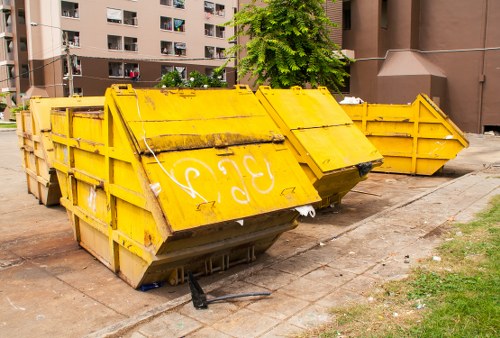 This Health and Safety policy sets out the commitments and procedures for safe operation of commercial waste and rubbish company services in and around Penge. It applies to all employees, contractors and visitors involved in the provision, collection and handling of commercial waste, commercial rubbish removal and associated waste management activities. The policy emphasises a proactive approach to reducing incidents, protecting health and promoting safe working practices across all service areas.
Purpose and scope: this document provides a clear statement of intent, outlines responsibilities and describes the systems and controls required to manage risk. It covers collections from commercial premises, vehicle operations, waste transfer, segregation of recyclables, storage areas and site visits. The policy complements existing health and safety legislation without restating legal text; it is a practical operating policy for a local rubbish company and commercial waste contractors.
 To achieve the aims of this policy, the organisation will prioritise the following key areas:
- Risk assessment: systematic identification and control of hazards associated with waste handling and vehicle operations.
- Training and competence: ensuring staff are trained to carry out their duties safely, including manual handling, sharps awareness and hazardous waste procedures.
- Personal protective equipment (PPE): provision and enforcement of suitable PPE for all operational tasks.
- Contractor management: selection and supervision of approved subcontractors to ensure standards for commercial waste services are met.
Management Responsibilities and Worker Duties
Senior management are responsible for establishing a positive health and safety culture. This includes allocating resources, setting objectives and ensuring the policy is regularly reviewed. Managers must ensure that risk assessments are completed for each route and depot activity, that safe systems of work are produced and that accident investigations identify root causes to prevent recurrence.
 Employees and operatives have a duty to follow instructions, report hazards, use provided PPE and participate in training. Staff must not undertake tasks for which they are not competent and must report defects in lifting equipment, vehicles or bins immediately. The company expects every worker to act responsibly and to raise concerns through established channels without fear of reprisal.
Specific duties include daily vehicle checks, correct manual handling techniques, compliance with traffic and loading regulations and safe segregation of waste streams. Sharps and hazardous materials must be reported and isolated until cleared by trained personnel.
Operational Controls, Training and Emergency Procedures
Risk controls will be proportionate and practical: engineering controls (loading aids, secure lashing), administrative controls (rotas, rest breaks, route planning) and PPE (gloves, hi-vis, foot protection). The organisation will maintain documented safe operating procedures for all common tasks performed by the rubbish company and commercial waste collectors.
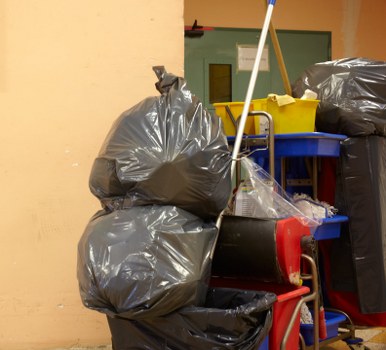 Emergency arrangements: all operatives will know the procedure for dealing with spills, fires, vehicle collisions and medical emergencies. First aid provision will be maintained at depot locations and staff trained in basic first aid. In the event of a hazardous waste incident, containment and notification procedures will be followed to protect staff and the public.
 Training is integral to risk control and will include induction, refresher sessions and task-specific instruction. Records of competence will be maintained, and new working practices introduced only after appropriate training. Practical exercises and toolbox talks will reinforce safe behaviours and keep safety matters visible on the job.
Monitoring and continuous improvement: the company will monitor safety performance through inspections, audits, incident reporting and performance metrics such as near-miss rates and lost-time incidents. Findings will inform corrective actions and policy updates. The objective is continual reduction in incidents and an ongoing improvement in standards across the commercial waste service area.
Vehicle and traffic safety: commercial waste vehicles must be maintained to a high standard, with scheduled servicing and daily walkaround checks. Drivers must be trained in safe loading, reversing controls and secure transport of waste loads. Where site access is restricted, risk assessments will identify measures to prevent pedestrian-vehicle conflicts.
Contractor and subcontractor oversight: selection of external providers will be based on safety performance, competence and compliance with this policy. Contracts will require adherence to the company's health and safety standards and allow for audits and inspections. Where contractors perform commercial rubbish removal tasks, their work must be coordinated to maintain safe operations for all parties.
Health surveillance and wellbeing: where tasks expose staff to specific risks (noise, dust, manual handling), appropriate health surveillance programmes will be implemented. The organisation recognises that worker wellbeing supports safety and will promote reporting of issues that could impact performance.
Communication and consultation: the policy will be communicated to all employees and displayed where appropriate. Regular safety meetings and consultation forums will give operatives the opportunity to influence risk controls and improvements. Suggestions for safer, more efficient ways to deliver commercial waste services are encouraged and will be evaluated.
Policy review: this Health and Safety policy will be reviewed annually or following a significant change in activities, an incident or new legal requirement. The review will ensure that the policy remains effective, realistic and aligned with the practical needs of a rubbish company operating commercial waste and waste-management services. By implementing these measures the organisation demonstrates a commitment to protecting workers, customers and the public while delivering reliable commercial waste solutions.
