Furniture Disposal in Penge
Understanding Furniture Disposal
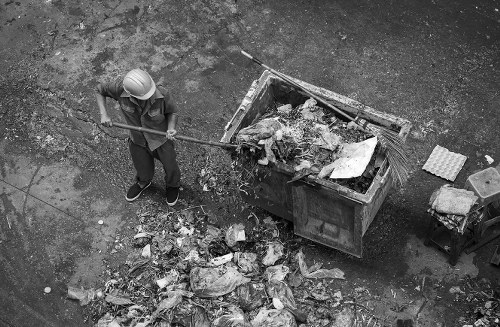
Whether you're moving homes, redecorating, or simply decluttering, furniture disposal in Penge can seem like a daunting task. Properly managing unwanted furniture not only helps maintain a clean and organized living space but also contributes to environmental sustainability.
In Penge, various options are available for disposing of furniture, each with its own set of benefits. From professional removal services to recycling centers, understanding the best approach for your specific needs is essential.
Why Proper Furniture Disposal Matters

Options for Furniture Disposal
There are several methods to dispose of furniture in Penge, each catering to different requirements and preferences. Here are the primary options:
- Professional Removal Services: Hiring experts ensures safe and efficient removal of bulky items.
- Donation: Donating usable furniture to charities can give items a second life and reduce landfill waste.
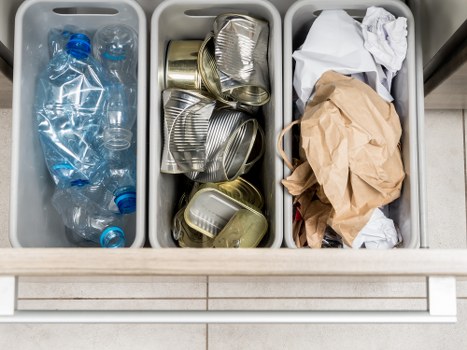
- Recycling: Many materials from old furniture can be recycled, minimizing environmental impact.
- Bulk Waste Collection: Scheduled collections by the local council handle larger waste items.
Choosing the right disposal method depends on factors like the condition of the furniture, your budget, and personal preferences.
Professional Furniture Removal Services
Opting for professional furniture removal services in Penge is one of the most convenient ways to handle unwanted items. These services offer a hassle-free experience, handling everything from pickup to disposal.
Advantages of using professional services include:
- Efficiency: Trained professionals can swiftly remove large and heavy items.
- Safety: Proper handling reduces the risk of injury or damage to your property.
- Environmental Responsibility: Many services prioritize recycling and donating items.
Additionally, professional services often provide transparent pricing and scheduling flexibility to accommodate your needs.

Donation Centers in Penge
If your furniture is in good condition, donation is an excellent option. Numerous charities in Penge accept furniture donations, providing support to those in need while promoting sustainability.
Benefits of Donating Furniture:
- Support Local Communities: Donations help furnish homes and facilities for individuals and families.
- Environmental Impact: Reduces waste and the demand for new furniture production.
- Tax Benefits: Donations may be tax-deductible, offering financial incentives.
Before donating, it's advisable to check the condition requirements and schedule a pickup with the chosen charity.

Recycling Furniture Materials
Recycling is a sustainable way to dispose of furniture, ensuring that materials like wood, metal, and plastic are repurposed.
Here are common furniture materials that can be recycled:
- Wood: Can be broken down for use in construction, crafts, or as firewood.
- Metal: Easily recyclable and can be transformed into new products.
- Plastic: Reprocessed into new plastic items or used in manufacturing.
Recycling not only conserves natural resources but also reduces greenhouse gas emissions associated with producing new materials.
How to Recycle Furniture in Penge
To recycle furniture in Penge, follow these steps:
- Assess the Material: Identify the materials your furniture is made of to determine recycling options.
- Contact Recycling Centers: Reach out to local recycling facilities to understand their requirements.
- Prepare the Furniture: Dismantle the furniture if necessary, removing non-recyclable parts.
- Transport to the Facility: Safely move the items to the recycling center for processing.
Many recycling centers offer guidance on how to handle different materials, ensuring effective recycling processes.
Bulk Waste Collection Services
The Penge local council provides bulk waste collection services for large items like furniture. Scheduling a pickup ensures that unwanted items are collected responsibly.
Steps to utilize bulk waste collection:
- Check Eligibility: Confirm that your furniture qualifies for bulk waste collection.
- Schedule a Pickup: Book a convenient time for the local council to collect your items.
- Prepare the Items: Ensure that furniture is accessible and ready for removal.
Bulk waste collection is a cost-effective method, often free of charge, depending on local policies and frequency.
Important Considerations
When disposing of furniture, keep the following in mind:
- Environmental Impact: Opt for recycling or donation to minimize waste.
- Cost: Evaluate the costs associated with different disposal methods.
- Convenience: Choose a method that fits your schedule and logistical needs.
- Legal Regulations: Adhere to local disposal laws and guidelines to avoid fines.
Benefits of Proper Furniture Disposal
Proper furniture disposal in Penge offers numerous advantages:
- Environmental Protection: Reduces landfill waste and promotes recycling.
- Community Support: Donations aid local charities and those in need.
- Health and Safety: Eliminates potential hazards from improperly discarded furniture.
- Aesthetic Appeal: Maintains the cleanliness and appearance of your living space.
By thoughtfully disposing of furniture, you contribute positively to both your immediate environment and the broader community.
Sustainable Practices in Furniture Disposal
Adopting sustainable practices ensures that furniture disposal has minimal environmental impact. Consider the following approaches:
- Reuse: Find new uses for old furniture, such as repurposing or upcycling.
- Repair: Fix minor damages to extend the life of your furniture.
- Material Separation: Disassemble furniture to recycle individual materials effectively.
- Eco-friendly Disposal Services: Choose services that prioritize sustainable disposal methods.
Implementing these practices supports long-term environmental goals and fosters a culture of responsibility.
Choosing the Right Disposal Method
Selecting the appropriate furniture disposal method hinges on several factors:
- Condition of Furniture: Usable items are best donated, while damaged pieces may need recycling.
- Time Constraints: Professional services offer quick removal compared to DIY methods.
- Budget: Consider the costs involved in each disposal option.
- Personal Preferences: Align your disposal method with your values, such as sustainability.
Assessing these factors helps in making an informed decision that suits your specific circumstances.
Cost Analysis of Disposal Methods
Understanding the costs associated with each disposal option ensures budget-friendly decisions:
- Professional Removal: Typically incurs a fee based on volume and service complexity.
- Donation: Generally free, though some charities may offer pickup services for a fee.
- Recycling: Costs may vary depending on the materials and processing requirements.
- Bulk Waste Collection: Often free, but may have limitations on frequency and volume.
Evaluating these costs against your budget helps in selecting the most economical disposal method.
Environmental Impact of Improper Disposal
Improper furniture disposal poses significant environmental risks. Items left in landfills contribute to soil and water pollution, while non-recycled materials increase the demand for virgin resources.
Consequences of Improper Disposal:
- Pollution: Harmful chemicals from furniture can leach into the environment.
- Resource Depletion: Non-recycled materials exhaust natural resources required for new products.
- Greenhouse Gas Emissions: Decomposition of organic materials in landfills releases methane.
Adhering to proper disposal methods mitigates these adverse effects and promotes a healthier ecosystem.
Regulations and Guidelines
Local regulations govern furniture disposal to ensure environmental protection and public health. In Penge, adhere to the following guidelines:
- Segregate Materials: Separate recyclable components from non-recyclable items.
- Follow Collection Schedules: Respect the timing and frequency of bulk waste collections.
- Comply with Size Limits: Ensure furniture items meet specified size and weight criteria.
- Use Authorized Services: Engage with certified disposal and recycling providers.
Compliance with these regulations ensures responsible disposal practices and avoids potential fines.
Tips for Efficient Furniture Disposal
Maximize the effectiveness of your furniture disposal in Penge with these helpful tips:
- Plan Ahead: Schedule disposal well in advance to avoid last-minute hassles.
- Measure Large Items: Ensure furniture fits through doorways and access points for easy removal.
- Disassemble When Possible: Breaking down furniture can simplify transportation and disposal.
- Document Valuable Items: Keep records of donations or sales for potential tax benefits.
Implementing these strategies streamlines the disposal process and enhances overall efficiency.
Preventing Unnecessary Waste
Reducing the need for disposal starts with mindful furniture consumption:
- Buy Quality: Invest in durable furniture that lasts longer.
- Choose Sustainable Materials: Opt for eco-friendly materials that are easier to recycle.
- Consider Second-hand Options: Purchasing used furniture supports reuse and reduces demand for new production.
- Maintain Your Furniture: Regular upkeep extends the lifespan of your items.
By adopting these practices, you contribute to minimizing waste and promoting sustainability.
Contact Us for Reliable Furniture Disposal
Ready to dispose of your old furniture responsibly? Contact us today for reliable and efficient furniture disposal services in Penge. Our team of experts is dedicated to providing environmentally friendly solutions tailored to your needs.
Don't let unwanted furniture clutter your space. Book your service now and take the first step towards a cleaner, more organized home.
Take Action Today! Whether you're upgrading your home or decluttering, we make furniture disposal simple and stress-free. Get in touch to learn more about our services and how we can assist you in Penge.

A comprehensive guide on furniture disposal in Penge, detailing options like professional removal, donation, recycling, and bulk waste collection, with tips and environmental insights.
Get In Touch With Us.
Please fill out the form below to send us an email and we will get back to you as soon as possible.